


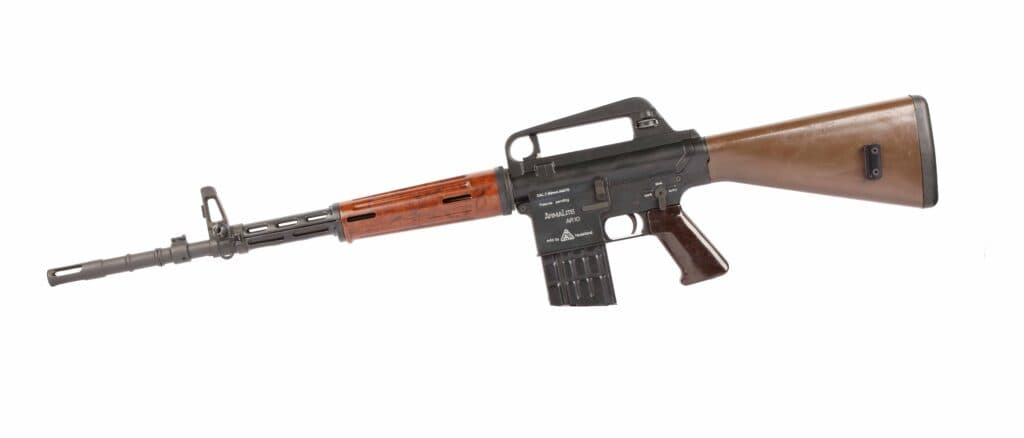
The Clone Life is nothing new. Today, with CNC machines, 3D scanners, and accessible parts kits, replicating classic service rifles has never been easier. But even back in the early 1980s, enthusiasts were already thinking the same way: “Man, that would be a cool rifle to bring back to life.” This issue’s Clone Life feature takes a look at a pair of faithful Portuguese AR-10 clones—examples of early reproduction work that still impress today.

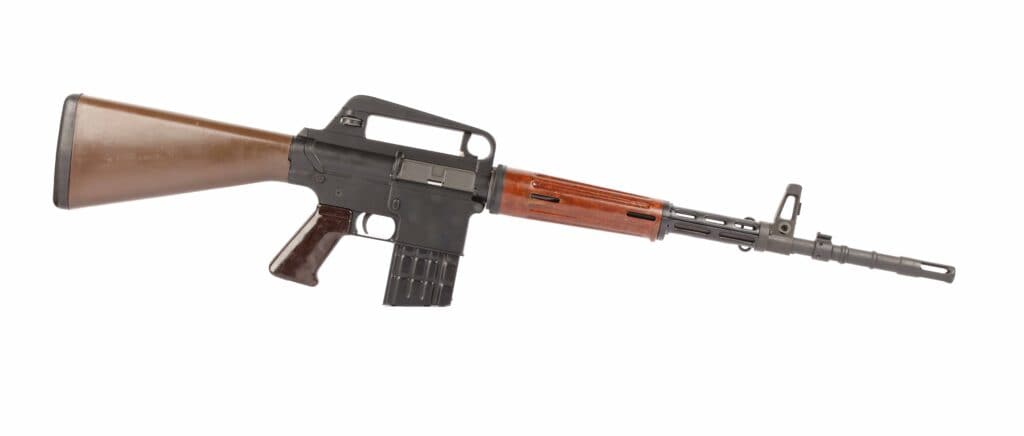
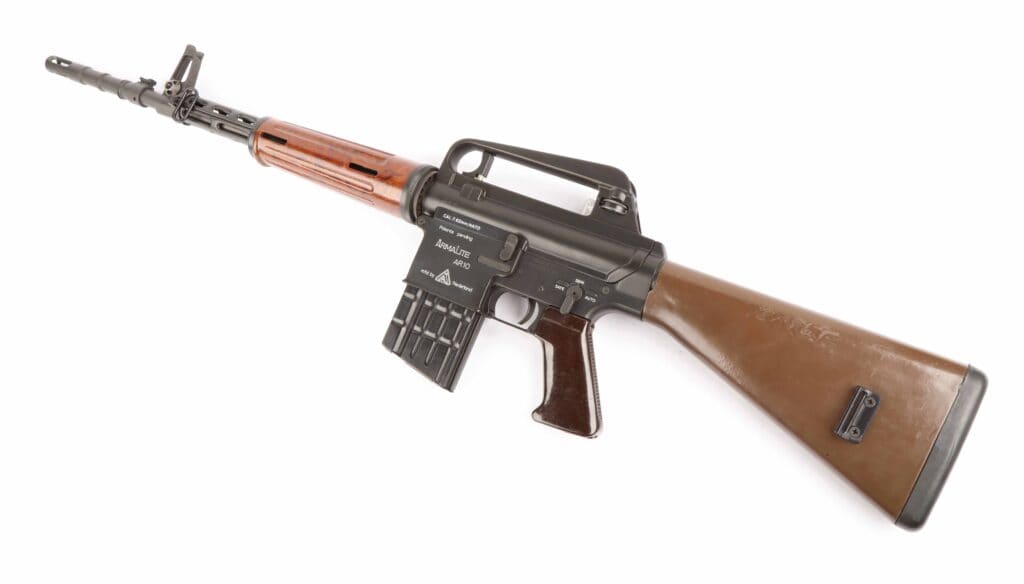
A good friend of mine, Pat, has a habit of tracking down rare service rifles. When he recently showed me two of his latest acquisitions, it was clear why he was so excited. Both are Portuguese AR-10s that were built on Telko receivers during the early 1980s. One remains as it was originally assembled, while the other features carefully applied reproduction markings that make it appear even closer to the original rifles carried by Portuguese troops.

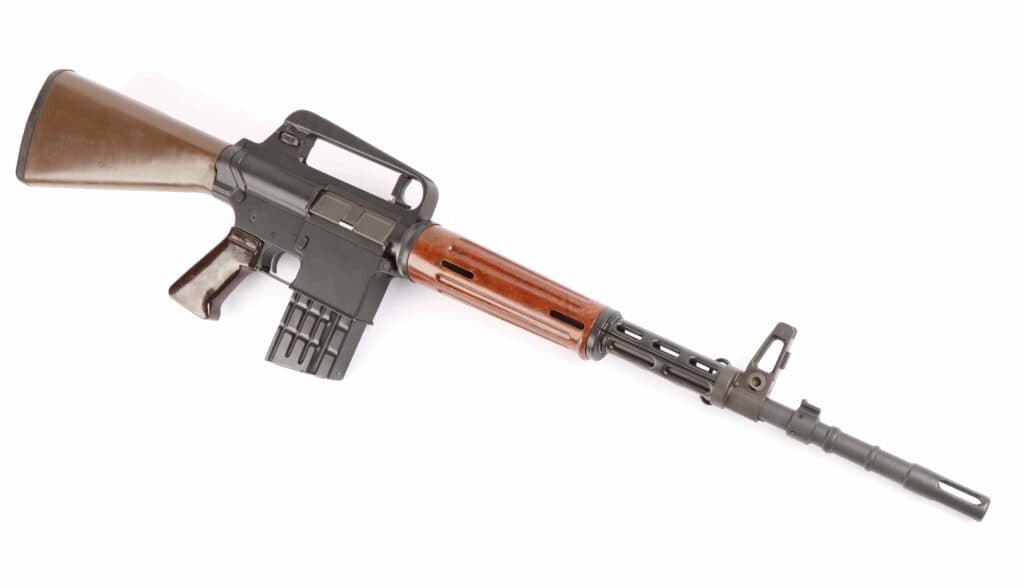
To understand these rifles, it helps to revisit their history. In the late 1950s, Armalite was working hard to market its lightweight 7.62x51mm battle rifle, the AR-10, to foreign militaries. At the time, production was handled by the Dutch firm Artillerie Inrichtingen (AI).



Contracts were filled for countries including Sudan and Portugal, making the Portuguese contract rifles some of the most widely issued AR-10s of the era. They were fielded during Portugal’s colonial wars in Africa, where their lightweight design and high rate of fire stood out compared to heavier contemporaries like the FN FAL and G3.

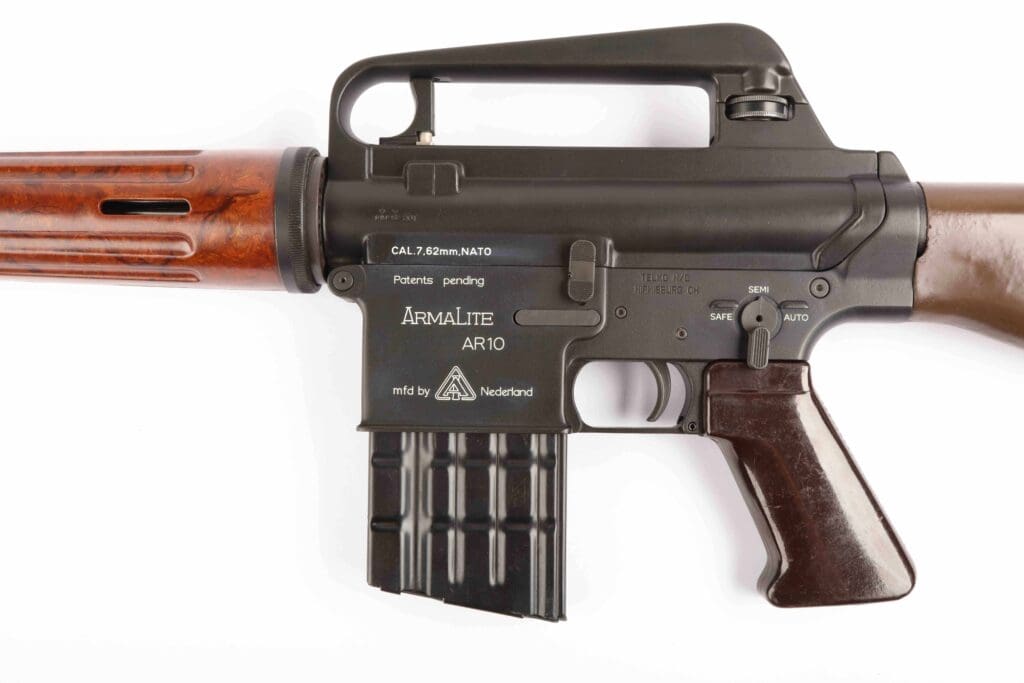
By the late 1970s and early 1980s, however, many of these AR-10s were being retired from service. Parts kits began trickling into the United States, giving civilian builders the opportunity to assemble their own versions. The three most common configurations to make it Stateside were the Sudanese, Portuguese, and Cuban contract rifles—although “common” is a relative term, as they remain scarce even today.
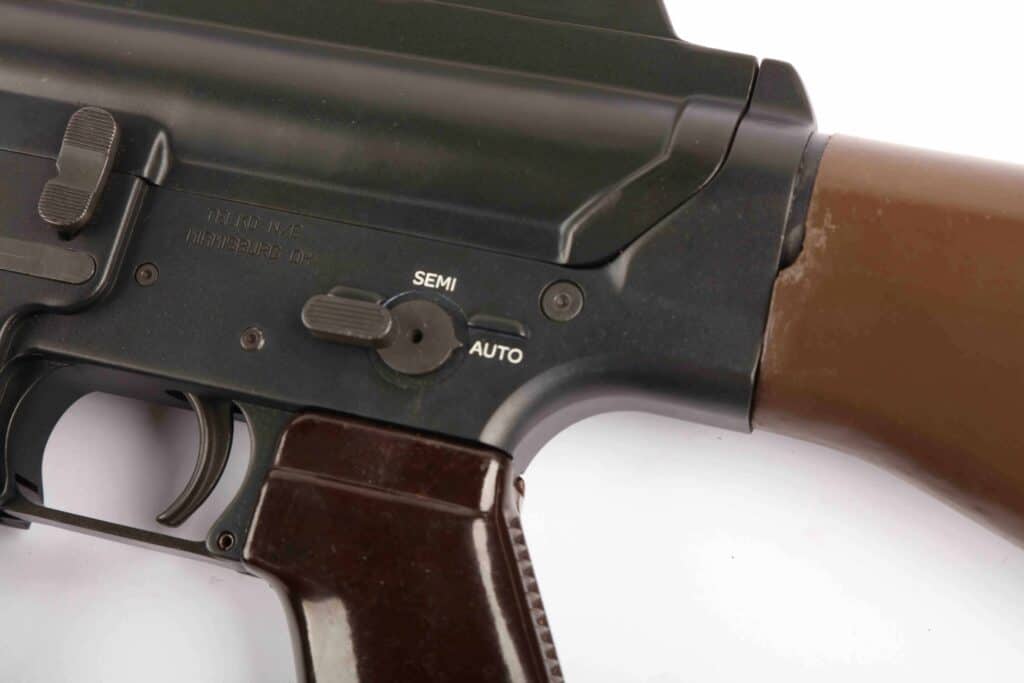
Pat’s pair of AR-10s illustrates the spectrum of what collectors encounter. One is more of a “shooter grade” example, the kind you don’t mind taking to the range. The other, with its reproduction markings, represents a more collectible specimen.
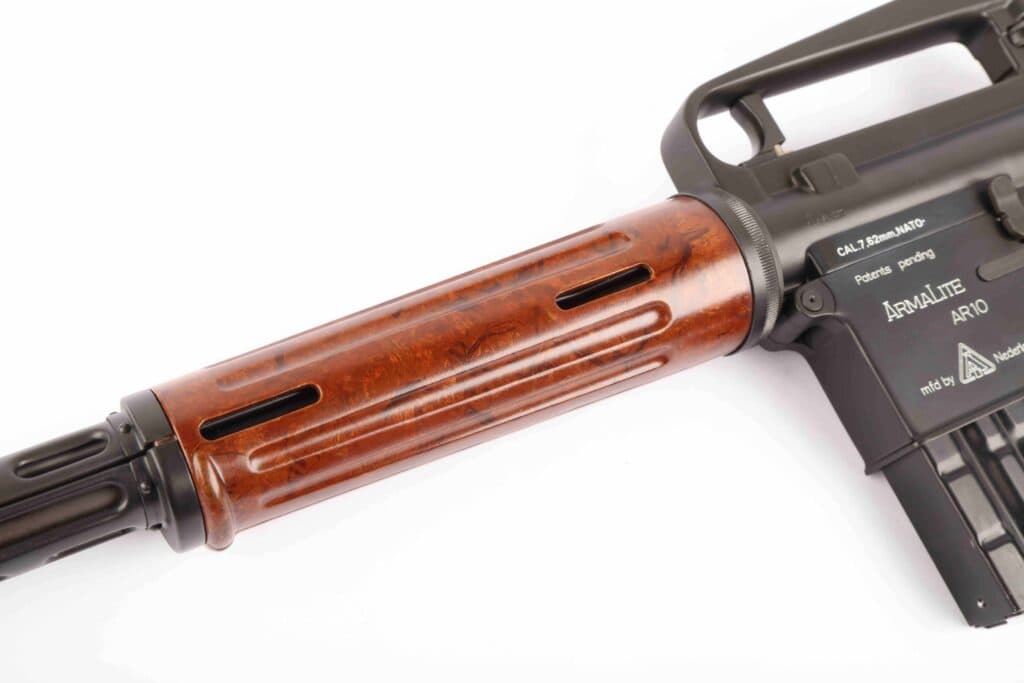
Pat isn’t certain when those markings were applied, only that they were already present when he acquired the rifle. From conversations with the previous owner, he suspects they were added sometime in the 1990s.
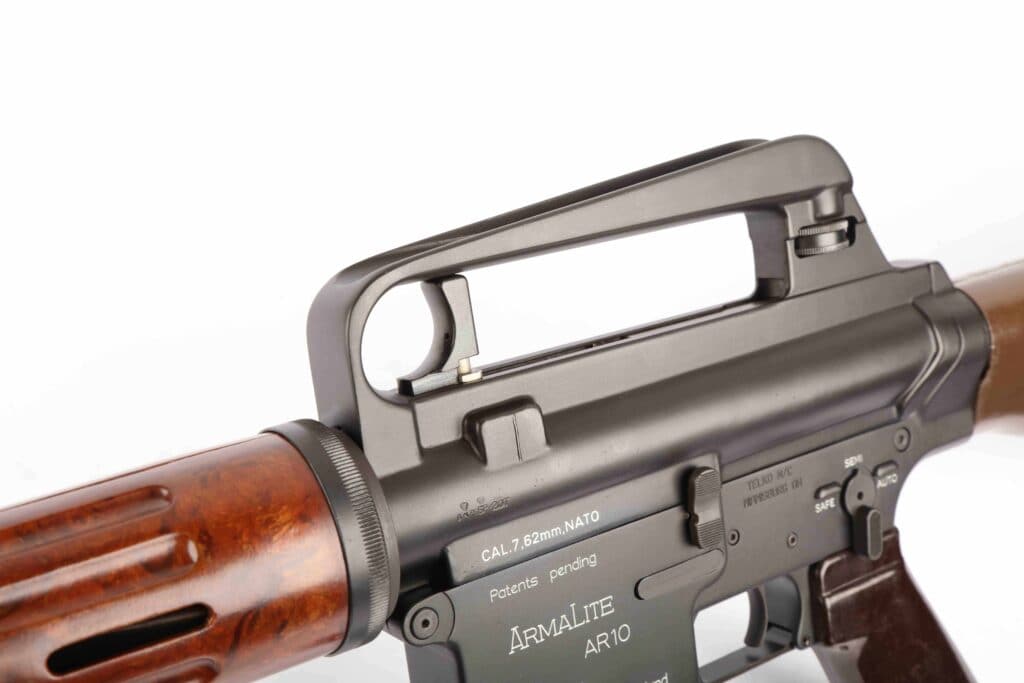
Reproducing markings back then required real skill. Before the widespread use of digital lasers, gunsmiths used pantograph engraving machines. These large, mechanical devices relied on tracing a stencil or design, which the machine would then copy—sometimes enlarging or reducing—onto the workpiece. It was a slow, precise, and almost artistic process. By contrast, modern laser engraving makes reproducing authentic markings far more easily, though the process is arguably less romantic.
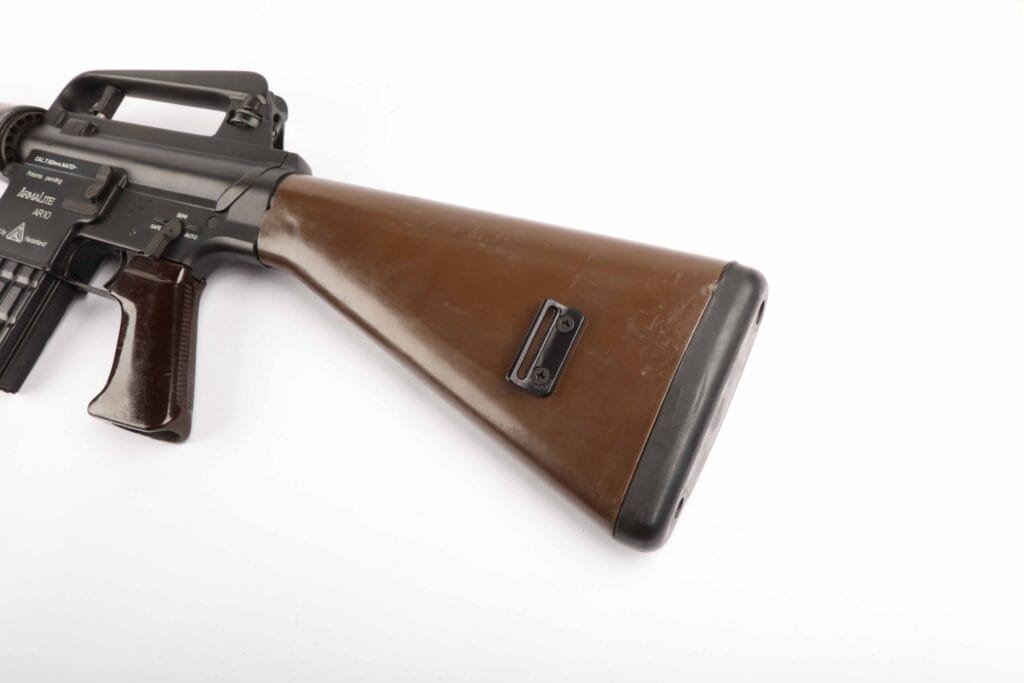
Whether you view them as shooters or collectible tributes, these rifles hold significant historical weight. The Portuguese AR-10 represents a fascinating chapter in the evolution of the modern battle rifle, bridging the gap between Armalite’s experimental designs and the widespread adoption of the AR-15/M16 family.
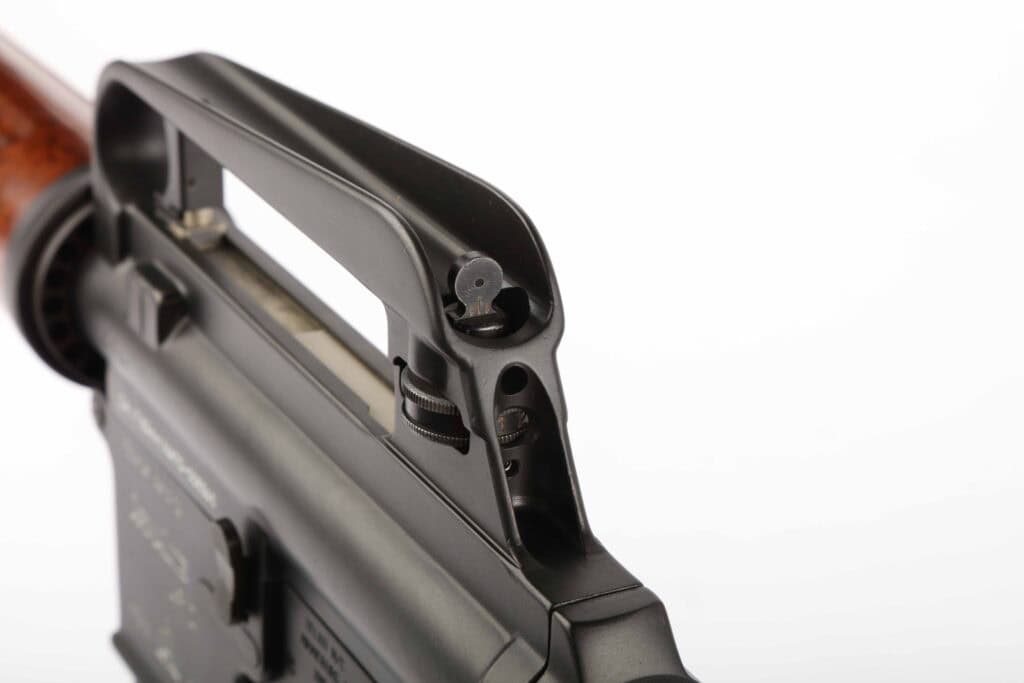
Pat is understandably proud of his two rifles, and with good reason. They’re faithful recreations of a design that once saw service on battlefields far from home. I’m looking forward to joining him at the range to experience a piece of that history firsthand.
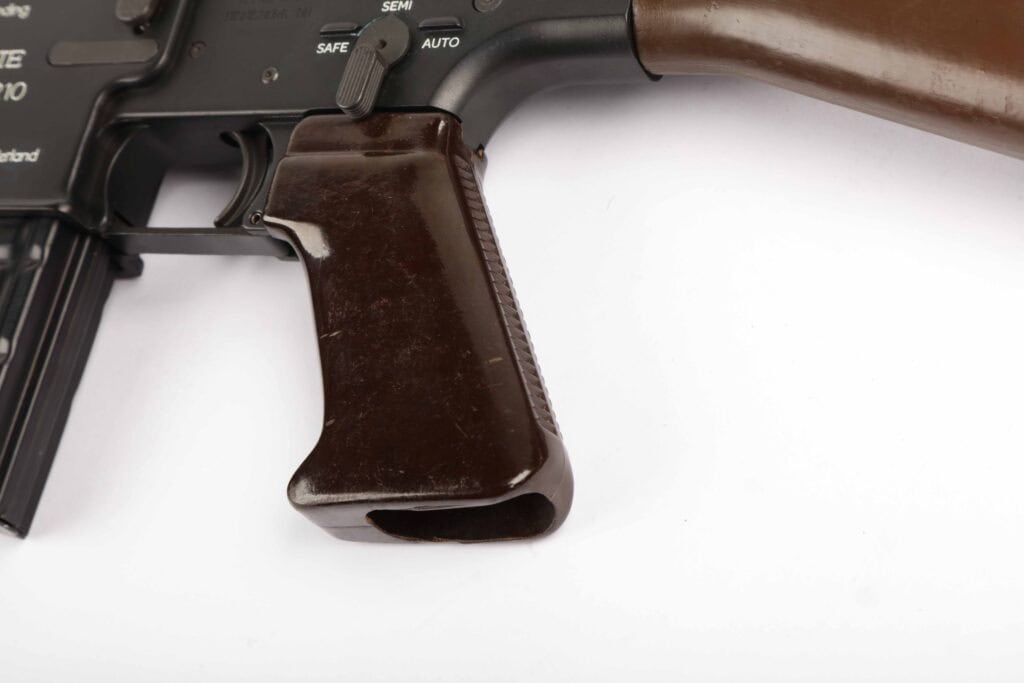
The Portuguese AR-10
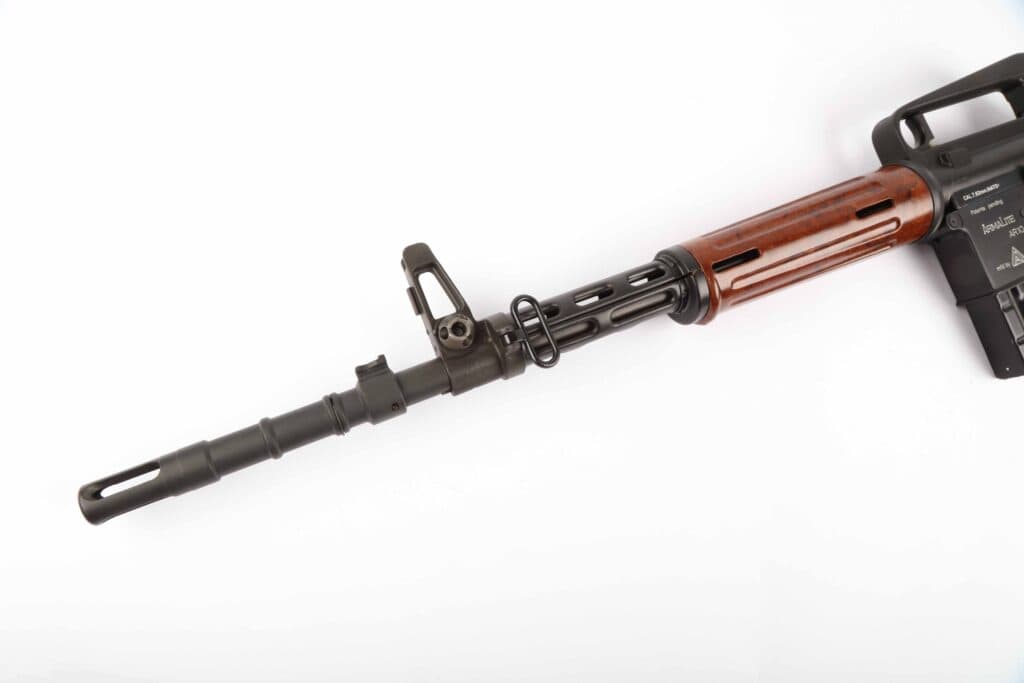
The “shooter grade” AR-10 in Pat’s collection shows its age but remains fully functional. Its finish bears the marks of years in circulation, with wear on the anodizing and small dings on the stock.
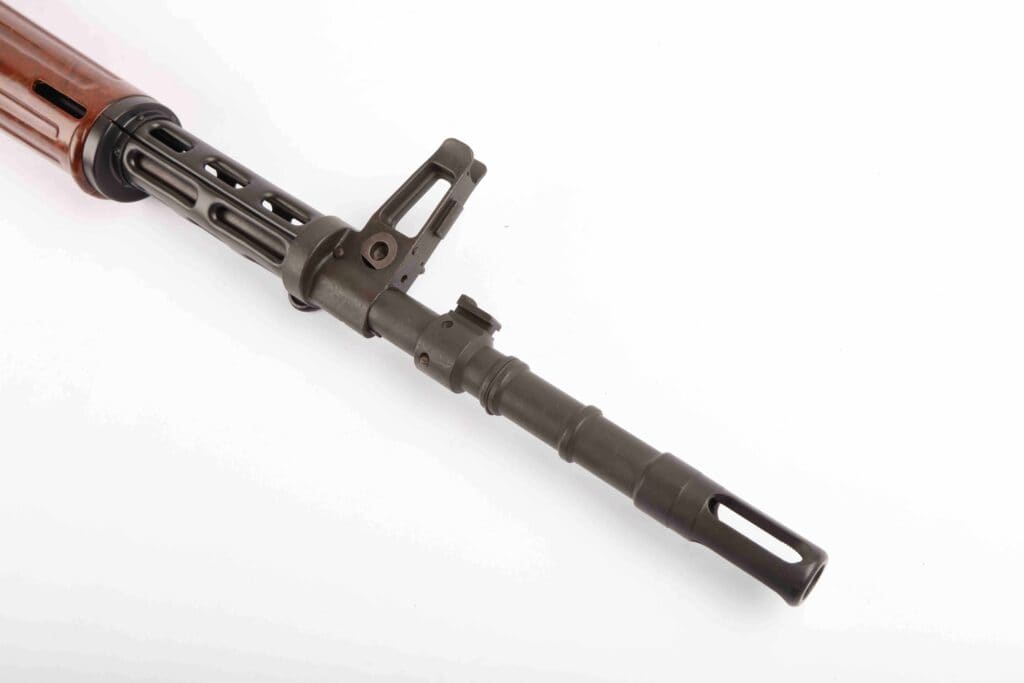
While not a pristine collector’s piece, its lived-in look makes it the kind of rifle you don’t hesitate to bring to the range—still capable of delivering the same handling and performance that defined the Portuguese contract rifles in the field.
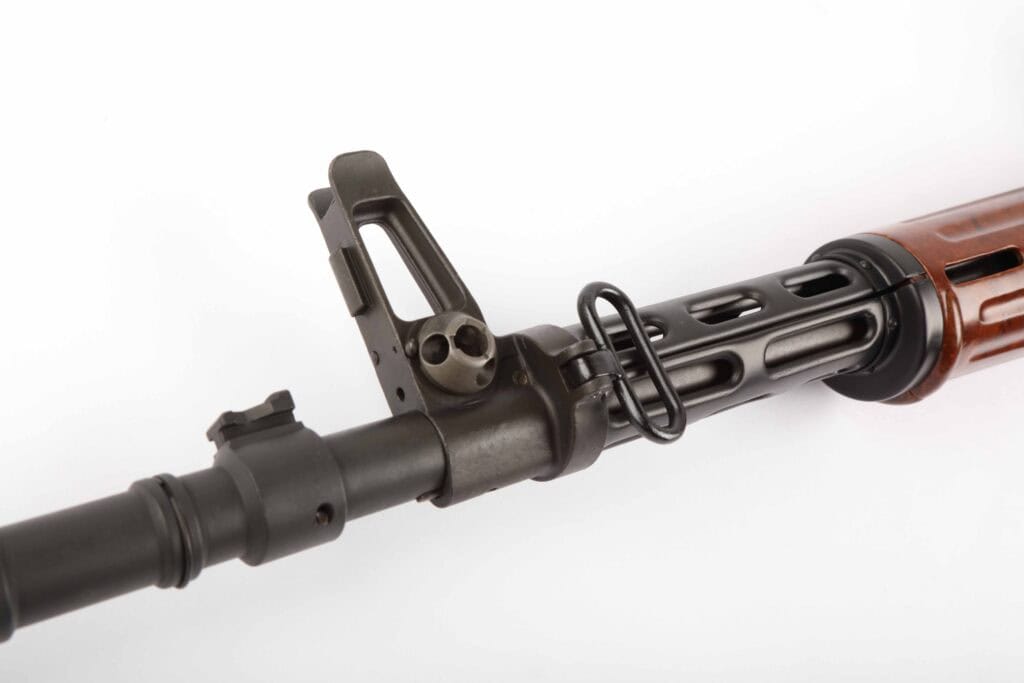
Specifications
Designer: Eugene Stoner / Armalite, late 1950s
Manufacturer: Artillerie Inrichtingen (AI), Netherlands
Caliber: 7.62×51mm NATO (.308)
Contract: Portugal adopted the AR-10 in 1959, ordering several thousand rifles
Service Use: Issued during Portugal’s colonial wars in Africa (Angola, Mozambique, Guinea-Bissau)
Notable Features: Lightweight aluminum receiver, charging handle in carry handle, integral grenade-launching ring, distinctive muzzle brake
Legacy: Among the few large-scale AR-10 military contracts; surplus and parts kits entered the U.S. in the late 1970s-1980s, fueling the first wave of clone builds.